


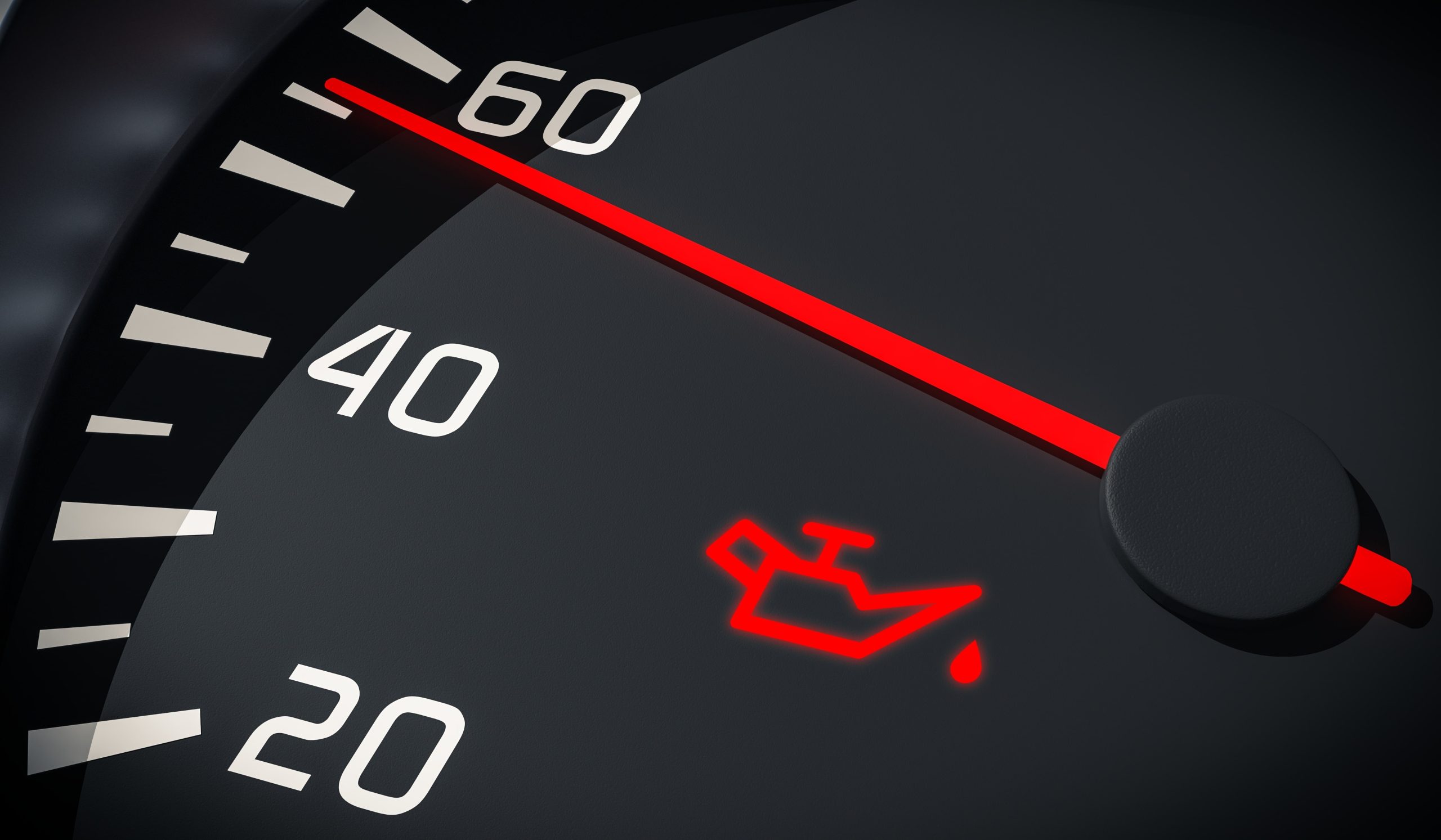
Your GMC Sierra 1500, Canyon, or Acadia is built to take on the roads of Ellis County, Yocemento, Munjor, and Catharine with power and precision—but to keep it running at its best, you need to stay on top of GMC fluid maintenance. From engine oil to transmission fluid, these vital liquids keep your vehicle performing smoothly, preventing wear and costly repairs down the road.
Read more: Fluids in Your GMC: How to Keep Your Vehicle in Great ConditionKnowing how to check fluids in your GMC and when to replace them is key to avoiding unexpected breakdowns. Whether you’re hauling heavy loads, commuting daily, or exploring off the beaten path, keeping your vehicle in peak condition starts with understanding GM-recommended fluids and their role in your vehicle’s performance.
At Robert Brogden’s Hays GMC, our expert service team is here to help you stay ahead of maintenance. If you’re unsure about your fluid levels or need a professional checkup, visit us today or contact us. Now, let’s dive into the essential fluids that keep your GMC running strong in 2025!
How Often Should You Add Fluids to Your GMC?
Every part of your GMC relies on fluids to work well. Engine oil keeps parts cool and smooth. Transmission fluid ensures smooth shifts. Brake fluid helps you stop fast when needed. If you don’t check fluids in your GMC often, wear and tear can build up. Over time, this can lead to major repairs or even breakdowns. To keep your vehicle in great condition in 2025, you need to stay ahead of fluid changes. Regular upkeep helps your Sierra 1500, Canyon, or Acadia run like new for years.
Not all fluids last forever. Some break down due to heat and friction. Others get dirty from dust, debris, and moisture. That’s why GMC fluid maintenance is so important. It keeps key systems clean and working right. GM-recommended fluids help prevent damage by keeping each part lubricated and free from buildup. If fluids run low or get dirty, moving parts must work harder. This adds stress to your engine, transmission, and brakes. The result? Reduced power, rough handling, and costly fixes.
To avoid these problems, follow a fluid check schedule. Look at your owner’s manual for exact service times. As a general rule:
- How often should each fluid be replaced or topped off?
- Engine oil – Every 5,000 to 7,500 miles (check monthly)
- Transmission fluid – Every 30,000 to 60,000 miles (check monthly)
- Coolant – Every 30,000 miles or five years (check every three months)
- Brake fluid – Every two years or 30,000 miles (check every six months)
- Power steering fluid – Every 50,000 miles (check every six months)
- Windshield wiper fluid – Refill as needed (check monthly)
Skipping maintenance can lead to breakdowns, poor performance, or even safety risks. By keeping up with GMC fluid maintenance you’ll extend the life of your Sierra 1500, Canyon, or Acadia and keep every drive smooth and safe.
Engine Oil: The Lifeline of Your GMC’s Engine
Your engine needs clean oil to run its best. It keeps moving parts from grinding together, reduces heat, and stops wear. Without fresh oil, your engine works harder. Over time, this leads to damage, lower fuel economy, and costly repairs. That’s why regular oil changes are a must. If you want to keep your vehicle in great condition in 2025, checking and changing your oil should be at the top of your list.
Old or low oil can cause serious issues. As oil breaks down, it loses its ability to protect engine parts. Dirt and debris build up, making the oil thick and less effective. If left too long, this can lead to engine failure. To avoid this, follow your GMC fluid maintenance schedule. GM-recommended fluids ensure the best performance for your Sierra 1500, Canyon, or Acadia. Checking your oil often helps you spot problems before they get worse. If you see dark, gritty oil or smell something burnt, it’s time for a change.
To check fluids in your GMC, follow these steps:
- Park on level ground and let the engine cool
- Pull out the dipstick and wipe it clean
- Insert it back, then pull it out again
- Look at the level and color of the oil
- If it’s low or dark, schedule a change soon
Keeping up with oil changes helps your GMC last longer and run smoother. Fresh oil means better power, fuel economy, and engine life. It’s a small task that makes a big difference in keeping your vehicle at its best.
Brake Fluid: Ensuring Stopping Power and Safety
Your brakes keep you safe on the road, but they need the right fluid to work properly. Brake fluid transfers force from the pedal to the brakes, helping your GMC stop quickly and smoothly. If the fluid is old or low, your brakes may feel soft or slow to respond. Over time, moisture can build up in the system, leading to rust and damage. That’s why checking your GMC’s brake fluid is just as important as changing the oil.
Brake fluid breaks down over time, losing its ability to work under pressure. When this happens, braking power weakens. If you notice a spongy pedal, slow stopping, or a warning light on the dash, it’s time to check fluids in your GMC. GM-recommended fluids ensure your Sierra 1500, Canyon, or Acadia performs safely. Most vehicles need a brake fluid change every two to three years, but always follow your owner’s manual for the best schedule.
To check your brake fluid:
- Locate the brake fluid reservoir under the hood
- Make sure the fluid is at the recommended level
- Look at the color—new fluid is clear or light yellow, while old fluid is dark
- If the level is low or the fluid looks dirty, schedule a flush soon
Fresh brake fluid helps your vehicle stop faster and reduces wear on brake parts. Keeping up with GMC fluid maintenance ensures your braking system stays strong, giving you confidence on every drive.
Engine Coolant: Keeping Your GMC from Overheating
Your engine works hard every time you drive. Without the right coolant, it can get too hot and cause serious damage. Engine coolant absorbs heat and keeps your GMC’s temperature in check. It flows through the radiator and engine, preventing parts from overheating. If coolant levels drop or the fluid breaks down, your vehicle may run hotter than normal. That’s why regular GMC fluid maintenance is key to long-lasting performance.
Checking coolant is simple and should be done often. Low levels can lead to overheating, which can cause costly repairs. If you see a temperature warning light or steam from the hood, pull over and let your engine cool. Then, check fluids in your GMC by looking at the coolant reservoir. GM-recommended fluids help prevent rust and buildup, ensuring your Sierra 1500, Canyon, or Acadia stays in top shape. Most vehicles need a coolant flush every 30,000 to 50,000 miles, depending on driving conditions.
Here’s how to check your coolant:
- Locate the coolant reservoir under the hood
- Check that the fluid level is between the “min” and “max” lines
- Look at the color—coolant should be bright green, orange, or pink, not cloudy or brown
- Never open the radiator cap when the engine is hot
Keeping coolant fresh helps your engine run smoothly in any season. Routine checks and scheduled flushes are small steps that make a big difference. When it’s time for a coolant change, trust GMC fluid maintenance to keep your engine safe and strong.
Transmission Fluid: Smoother Gear Shifts and Longevity
Your transmission is one of the most important parts of your vehicle. It keeps your Sierra 1500, Canyon, or Acadia running smoothly by shifting gears with precision. Transmission fluid lubricates moving parts, prevents wear, and keeps the system cool. If the fluid gets low or old, you may notice rough shifts, slipping gears, or delayed acceleration. That’s why GMC fluid maintenance is so important for long-term performance.
Regular checks help prevent serious transmission issues. Most vehicles have a dipstick to check fluid levels, while some require a mechanic to inspect the system. If the fluid is dark or has a burnt smell, it’s time for a change. GM-recommended fluids ensure proper function and protect against costly repairs. Many transmissions need a flush every 30,000 to 60,000 miles, but this can vary. Always check your owner’s manual for exact service intervals.
Here’s how to check fluids in your GMC transmission:
- Start the engine and let it warm up
- Locate the transmission dipstick under the hood
- Pull it out, wipe it clean, then dip it back in
- Check the color—it should be bright red or pink, not brown or black
- If low, add only the GM-recommended fluid for your model
Keeping transmission fluid fresh helps ensure smooth shifting and extends the life of your vehicle. Routine GMC fluid maintenance keeps your drive effortless and stress-free.
Power Steering Fluid: Effortless Handling
Smooth steering is key to a safe and easy drive. Power steering fluid helps your vehicle turn with little effort. Without it, steering becomes stiff, making turns harder. Regular GMC fluid maintenance keeps your system working as it should. If you hear whining noises when you turn the wheel, it may be time to check fluids in your GMC. Low or dirty fluid can cause serious wear on the steering pump and hoses.
Power steering fluid does more than just make turns easier. It also keeps seals and hoses from drying out or cracking. Over time, dirt and debris can build up, reducing its effectiveness. That’s why it’s best to follow GM-recommended fluid change schedules. If your Sierra 1500, Canyon, or Acadia has electric power steering, it won’t need fluid changes. But if your model has a hydraulic system, checking and replacing the fluid is a must.
Here’s how to check fluids in your GMC power steering system:
- Locate the power steering reservoir under the hood
- Remove the cap and check the dipstick or fluid level markings
- Fluid should be at the correct level and clear or light red—not dark or foamy
- If low, add only GM-recommended fluids to avoid system damage
By keeping your power steering fluid fresh, you ensure smooth, effortless handling on the roads of Yocemento. Regular checks prevent costly repairs and keep every drive enjoyable.
Windshield Wiper Fluid: Clear Vision in All Driving Conditions
A clear view of the road is key to safe driving. Windshield wiper fluid helps remove dirt, bugs, and grime from your glass. It also stops streaks and smudges that can block your sight. Rain, snow, and dust can build up fast, making it hard to see. Keeping this fluid full is a simple step in GMC fluid maintenance. If your wipers leave streaks or struggle to clean, it may be time to check fluids in your GMC.
Not all wiper fluids are the same. Some are made for cold weather to stop ice buildup. Others help remove bugs and thick dirt in warm months. Using GM-recommended fluids ensures your system works well in all seasons. Over time, old fluid can clog nozzles or leave residue on your glass. That’s why regular checks keep your Sierra 1500, Canyon, or Acadia ready for any trip. A quick refill can make a big difference when driving through rough weather.
To keep your windshield clean and clear, follow these simple steps:
- Locate the washer fluid reservoir under the hood
- Look at the fill line to see if it needs more fluid
- Use only GM-recommended fluids for best results
- Test the sprayers to ensure they work well and aim correctly
A full windshield wiper fluid tank keeps your view sharp in all conditions. It’s a small but vital part of how to keep your vehicle in great condition for 2025 and beyond. Regular maintenance ensures every drive is safe and stress-free.
GMC Fluid Maintenance: How to Stay on Top of Your Vehicle’s Needs
Keeping up with GMC fluid maintenance is key to making sure your vehicle runs well for years to come. Every fluid in your car has a job, from cooling the engine to helping gears shift with ease. When fluids get low or old, parts wear out faster, and repairs become costly. That’s why it’s smart to check fluids in your GMC on a regular schedule. This simple step helps your Sierra 1500, Canyon, or Acadia stay in top shape.
There are several fluids you should monitor to keep your vehicle in great condition for 2025 and beyond:
- Engine oil – Lubricates parts and prevents damage
- Transmission fluid – Ensures smooth gear shifts
- Coolant – Keeps the engine from overheating
- Brake fluid – Helps your brakes work properly
- Power steering fluid – Makes steering easy and smooth
- Windshield wiper fluid – Keeps your view clear in all weather
Using GM-recommended fluids is the best way to protect your vehicle. These are designed to work with your engine, transmission, and other systems. Check your owner’s manual for the right types and replacement times. Many fluids need to be changed every few months, while others last longer. Regular checks and quick refills will keep your car safe, efficient, and ready for the road ahead.
Which fluids are essential to check regularly in a 2025 GMC?
- Engine oil
- Transmission fluid
- Coolant
- Brake fluid
- Power steering fluid
- Windshield wiper fluid
Are there any brand-specific guidelines from GMC about fluid types?
Yes, GMC recommends using GM-approved fluids for engine oil, transmission fluid, and coolant to ensure the best performance and longevity. Always check your owner’s manual for the correct specifications.
Keep Your GMC Running Strong with Expert Care in Hays
Keeping up with fluid maintenance helps your GMC stay in top shape for years to come. Whether you’re checking engine oil, transmission fluid, or coolant, regular care ensures smooth performance and long-lasting reliability.
At Robert Brogden’s Hays GMC, we’re here to help drivers in Ellis County, Yocemento, Munjor, and Catharine keep their vehicles running strong. We offer a wide selection of new and pre-owned GMC models, including the Sierra 1500, Canyon, and Acadia. If you have questions about fluid types, maintenance schedules, or service options, our team is ready to assist.
Want to learn more about taking care of your GMC? Find out why your brakes might be squeaking or explore the color, trim, and engine options in the latest 2025 GMC Acadia. Need a new battery for your GMC? We can help you choose the right one. Contact us today.
Get Directions to Robert Brogden’s Hays GMC
Disclaimer: All information is provided for general informational and entertainment purposes only. While we strive for accuracy, we cannot guarantee that all content is complete, current, or error-free. Any reliance you place on such information is strictly at your own risk. This article may include opinions and is not endorsed by, or officially affiliated with, any vehicle manufacturer or brand. Always consult official sources – such as the vehicle’s owner’s manual, authorized dealerships, or certified professionals – for the most up-to-date and personalized information.
Connect with us


- July 2026
- June 2026
- May 2026
- April 2026
- March 2026
- January 2026
- December 2025
- November 2025
- October 2025
- September 2025
- August 2025
- July 2025
- June 2025
- May 2025
- April 2025
- March 2025
- February 2025
- January 2025
- December 2024
- November 2024
- October 2024
- September 2024
- August 2024
- July 2024
- June 2024
- May 2024
- April 2024
- February 2024
- December 2023
- August 2021
- July 2021
- April 2021