


Nothing is more unsettling than hearing an unexpected squeak when you hit the brakes. Whether it’s a high-pitched chirp or a persistent squeal, noisy brakes can be a sign that something isn’t quite right. While some squeaks are harmless, others could point to wear and tear that needs attention before it turns into a bigger problem. Ignoring the warning signs could lead to reduced stopping power, costly repairs, or even safety risks on the road.
In this guide, we’ll break down five common reasons your brakes might be making noise. From worn-out brake pads to moisture buildup, these issues can range from minor annoyances to serious concerns. Understanding what’s causing the squeak can help you determine whether a quick fix is needed or if it’s time to visit a professional.
If your brakes are making unusual noises, don’t wait for the problem to get worse. The expert service team at Robert Brogden’s Hays GMC is here to help. Whether you need a simple brake inspection or a full replacement, we’ll ensure your vehicle is safe and road-ready. Contact us today or stop by our service center for a professional diagnosis and quality brake service you can trust!
Why Are Your Brakes Making Noise?
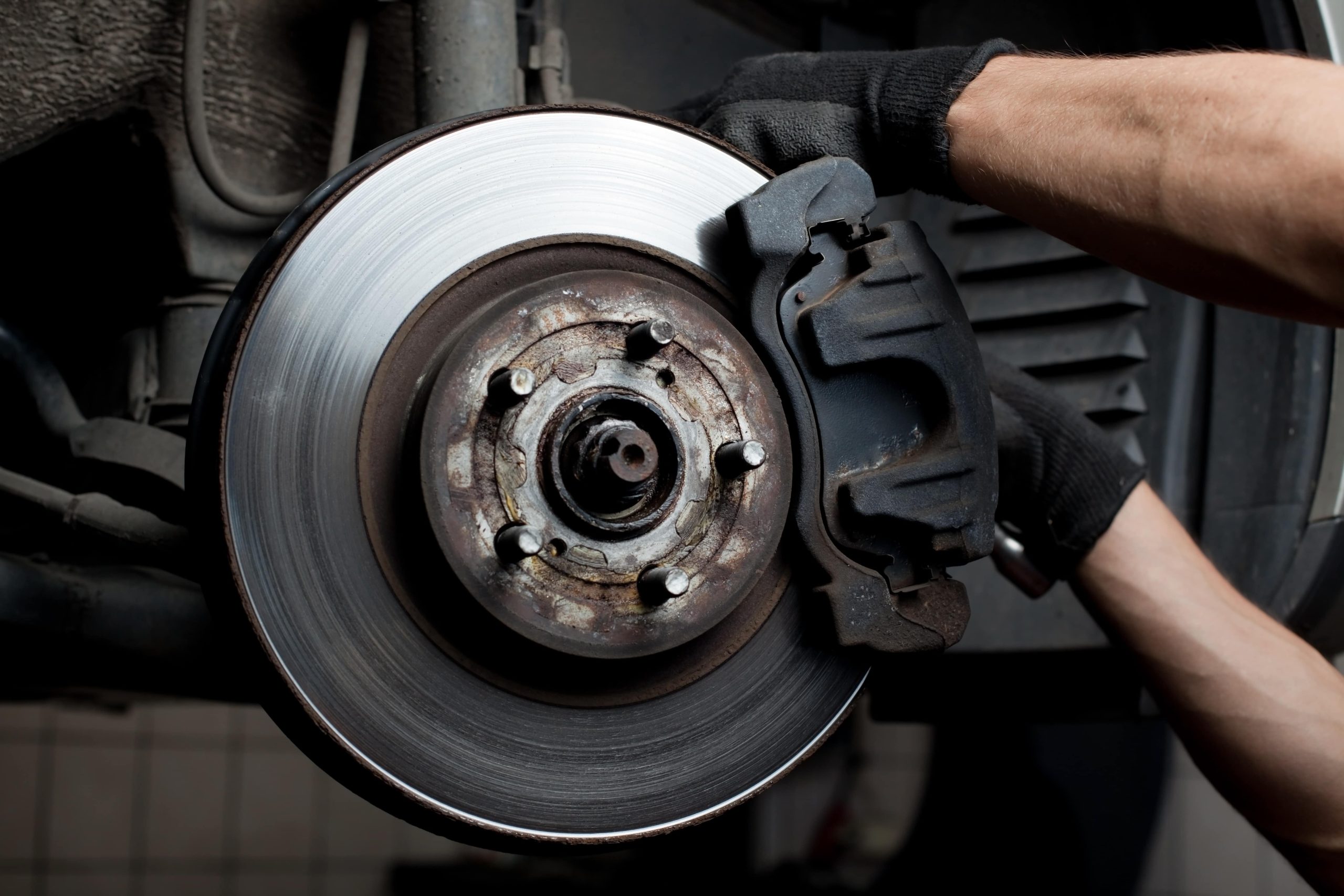
Hearing squeaky brakes can be frustrating, but it’s also a warning sign. Brakes work by pressing pads against rotors, creating friction to slow your vehicle. Over time, parts wear down, and different issues can cause that annoying squeal. Some noises are harmless, but others mean your brakes need attention. If left unchecked, the problem could grow worse, leading to costly brake repair. The key is knowing when to act before small issues turn into safety concerns.
There are several reasons why your brakes may be making noise:
- Worn-Out Brake Pads – As brake pads wear down, a built-in metal indicator will start to squeal. This is your car’s way of telling you it’s time to buy brake pads.
- Moisture on the Rotors – If you hear a squeak in the morning, it may just be a thin layer of rust from overnight moisture. This usually goes away after a few stops.
- Brake Calipers Sticking – When calipers don’t release properly, pads stay pressed against the rotors. This causes a high-pitched noise and could lead to uneven wear.
- Low Brake Fluid – Brake fluid helps keep pressure balanced. If it’s low, parts may not work as they should, which can create noise or reduced stopping power.
- Glazed Brake Pads or Rotors – Excessive heat can make pads and rotors too smooth, reducing grip and causing a screeching sound when braking.
If your brakes are making unusual sounds, don’t ignore them. A quick inspection can prevent bigger problems and keep your Sierra, Terrain, or Yukon XL running safely. Whether it’s a simple fix or a full brake repair, identifying the issue early can save you time and money. If the noise persists, visit a trusted mechanic to ensure your brakes are working properly.
1. Worn or Thinning Brake Pads
Brake pads wear down over time. Every time you press the pedal, the pads create friction to slow your vehicle. This constant pressure causes them to thin. If they get too worn, you may hear squeaky brakes. Some vehicles have built-in wear indicators that make a high-pitched sound when it’s time to buy brake pads. If you ignore this warning, the metal backing of the pad could scrape against the rotors, causing serious damage.
There are a few signs that your brake pads need to be replaced:
- Squeaking or Screeching – A sharp, high-pitched noise when braking means your pads are thinning.
- Longer Stopping Distance – Worn pads reduce stopping power, making it take longer to slow down.
- Grinding Sounds – A deep grinding noise could mean the pads have worn down completely, leading to metal-on-metal contact.
- Vibrations When Braking – If you feel shaking when you stop, your pads may be unevenly worn.
- Warning Light on Dashboard – Some vehicles have a brake wear sensor that triggers a warning light.
Replacing brake pads before they wear out fully helps prevent bigger issues. If your brakes are not working as they should, it could be a sign that the pads need attention. Whether you drive a Sierra, Terrain, or Yukon XL, regular maintenance can extend the life of your braking system. If you notice any of these signs, it’s time to schedule a brake repair before the problem gets worse.
2. Dust, Dirt, or Debris Between the Pads and Rotors
Brake systems work best when clean. But over time, dust, dirt, and road debris can build up between the pads and rotors. This can cause squeaky brakes and even reduce stopping power. If small rocks or grit get stuck, they can grind against the rotors, leading to uneven wear. Driving on gravel roads or in wet conditions makes it easier for debris to collect in the system. Regular cleaning and inspections help keep your brakes working smoothly.
Signs that dirt or debris is affecting your brakes include:
- Squeaking or Scraping Sounds – Tiny particles can get lodged between the pads and rotors, causing noise.
- Reduced Braking Power – Dirt can create a thin barrier that affects how well your brakes grip.
- Vibration When Braking – Uneven debris buildup can make the brake pedal feel shaky.
- Visible Dust on the Wheels – Excessive brake dust is a sign of friction buildup.
If you notice these issues, a simple cleaning may help. Spraying the brakes with water or using a gentle cleaner can remove loose dirt. But if the noise or problems persist, a deeper brake repair may be needed. If you drive a Sierra, Terrain, or Yukon XL, keeping your brakes clean can extend their lifespan. Regular maintenance, along with checking brake fluid and brake calipers, ensures your brakes are not working against built-up grime.
3. Overnight Moisture Leading to Rust Buildup
If your brakes make noise first thing in the morning, moisture could be the cause. When water from rain or humidity settles on the rotors overnight, it can lead to light rust buildup. This thin layer of rust usually scrapes off when you press the brake pedal. However, if left too long, rust can eat away at the metal and weaken the system. Vehicles like the Sierra, Terrain, or Yukon XL with larger brakes may experience this more in damp climates.
Here are signs that rust may be affecting your brakes:
- Squeaky Brakes in the Morning – A thin layer of rust can create a high-pitched noise when you first start driving.
- Grinding or Rough Braking Feel – If rust builds up too much, it can cause uneven wear and rough stops.
- Brownish Dust on the Rotors – A rusty tint on the metal could mean moisture exposure overnight.
- Longer Stopping Distance – If the rust isn’t cleared quickly, braking power may decrease.
A short drive and a few gentle stops will often remove light rust. But if the noise or rough braking continues, a deeper brake repair may be needed. If rust spreads, it can damage brake calipers and make brakes not working as they should. Keeping your vehicle in a garage or using a cover can help limit overnight moisture. Also, checking your brake fluid regularly ensures the system stays in top shape.
4. Glazed Brake Pads from Aggressive Braking
Braking too hard too often can overheat the brake pads, causing them to glaze. When this happens, the surface of the pads becomes smooth and shiny, making it harder for them to grip the rotors. This leads to squeaky brakes and reduced stopping power. Heavy vehicles like the Sierra, Terrain, or Yukon XL put more pressure on the brakes, making them more prone to glazing if braking habits are too aggressive. If you drive in heavy traffic or down steep roads, you may experience this issue sooner.
Here are common signs of glazed brake pads:
- High-pitched squealing or squeaky brakes – A smooth surface means less friction, leading to noise when braking.
- Soft or unresponsive brake pedal – Glazing reduces grip, making stops feel weak.
- Longer stopping distances – If the pads can’t grab the rotors well, your vehicle will take longer to stop.
- Burnt smell near the wheels – Overheated brakes can give off a strong, sharp odor.
If your brakes are not working as well as before, the best fix is to buy brake pads and replace the old ones. In some cases, a mechanic can resurface the pads if the glazing isn’t too severe. Regular brake repair and checking your brake fluid can help prevent overheating. To avoid glazing, apply brakes smoothly and avoid sudden stops unless necessary. This will keep your brake calipers and pads in good shape, ensuring safe and effective braking.
5. Brake Caliper Issues or Lack of Lubrication on Drum Brakes
Your vehicle’s brake calipers play a big role in stopping power. They press the brake pads against the rotors to slow your wheels. If a caliper gets stuck, it may not release fully, causing squeaky brakes and uneven wear. This can also make your brakes not work as well as they should. Drivers of larger vehicles like the Sierra, Terrain, or Yukon XL should pay extra attention, as their brakes endure more stress. If you notice pulling to one side or a burning smell near the wheels, your calipers may need attention.
Drum brakes, found on some vehicles, need lubrication to work smoothly. Without it, parts inside the drum can stick and cause noise. Signs of poor lubrication include:
- Grinding or squeaky brakes when stopping
- A stiff or unresponsive brake pedal
- A dragging sensation when driving
- Reduced braking power
Routine brake repair can prevent these issues. A mechanic can check your brake fluid and calipers to ensure everything moves freely. If your calipers are sticking or your drum brakes need lubrication, it’s best to fix them fast. This helps prevent bigger problems and keeps your brakes working safely.
When Should You Seek Professional Brake Repair?
Your brakes are one of the most important parts of your vehicle. If they don’t work as they should, it’s time for brake repair. Some signs may seem small, but ignoring them can lead to costly damage. Squeaky brakes, a soft pedal, or a burning smell near your wheels should never be ignored. If your brakes are not working as well as before, it’s best to get them checked right away.
Look out for these warning signs:
- Squeaky or grinding sounds when you press the pedal
- A soft or spongy brake pedal
- Shaking or vibrations when stopping
- Your vehicle pulling to one side when braking
- A brake warning light on your dashboard
Larger vehicles like the Sierra, Terrain, or Yukon XL rely on strong braking systems. If you notice any of these issues, don’t wait to get help. A technician can check your brake calipers, brake fluid, and pads to find the cause of the problem. Whether you need to buy brake pads or a full repair, fixing your brakes early keeps you safe and avoids bigger costs later.
Where Can You Buy Brake Pads and Get Brake Service Near Ellis County?
Robert Brogden’s Hays GMC is your source for genuine GMC parts in Ellis County, KS. Keeping your brakes in good shape is key to staying safe on the road. If you need to buy brake pads or schedule brake repair, finding a trusted brake service center is important. One of our skilled GMC technicians can inspect your brake calipers, check your brake fluid, and replace worn parts. If your brakes are not working as they should, don’t wait to get them checked. Ignoring small issues can lead to bigger problems over time.
When looking for brake service near Ellis County, consider these key factors:
- Certified technicians with experience in brake systems
- Quality parts that match your vehicle’s needs
- Fair pricing with clear estimates
- Fast service so you can get back on the road
- Comprehensive brake checks to spot issues early
At Robert Brogden’s Hays GMC we pride ourselves on providing the highest quality of service an transparency with our customers in Ellis County to ensure you and your GMC can stay on the road longer.
Large vehicles like the Sierra, Terrain, and Yukon XL need strong brakes to handle their weight. Whether you hear squeaky brakes or feel vibrations while stopping, a professional can help. A proper inspection ensures your braking system works smoothly. From minor fixes to full replacements, keeping up with maintenance prevents costly repairs down the line.
Common Questions About Squeaky Brakes
Brakes are one of the most important safety features of any vehicle. If you’ve noticed unusual noises or are wondering how your braking system works, these answers can help you understand what’s happening and when to seek maintenance.
Why do your brakes squeak? – Brakes can squeak due to worn brake pads, moisture buildup, or debris between the pads and rotors. Glazed brake pads from aggressive braking can also cause noise.
Why do brakes need fluid? – Brake fluid is essential because it transfers force from the brake pedal to the calipers, allowing the vehicle to stop efficiently. Without it, the brakes would not function properly.
Understanding these common brake concerns can help you maintain your vehicle and stay safe on the road. If you experience any of these issues, a professional brake inspection can ensure your system is working as it should.
Get Expert Service & Great Deals at Robert Brogden’s Hays GMC
If your brakes are making noise or not working as they should, our team at Robert Brogden’s Hays GMC is here to help. We proudly serve drivers in Ellis County, Yocemento, Munjor, and Catharine with expert service and a great selection of vehicles. Whether you need brake repair or want to explore our lineup, we are ready to assist.
Looking for a reliable truck or SUV? Stop by and check out the Sierra, Terrain, and Yukon XL. These models offer power, style, and comfort for any drive. Our team can help you find the perfect fit for your needs.
If you’re interested in learning more about 2025 GMC Acadia, or want to take advantage of limited-time savings, we have helpful resources for you. Explore our guide to choosing the right battery for your GMC or see how you can save all year long with our special offers. Visit us today or browse our inventory online to find your next vehicle!
Get Directions to Robert Brogden’s Hays GMC
Disclaimer: All information is provided for general informational and entertainment purposes only. While we strive for accuracy, we cannot guarantee that all content is complete, current, or error-free. Any reliance you place on such information is strictly at your own risk. This article may include opinions and is not endorsed by, or officially affiliated with, any vehicle manufacturer or brand. Always consult official sources – such as the vehicle’s owner’s manual, authorized dealerships, or certified professionals – for the most up-to-date and personalized information.
Connect with us


- July 2026
- June 2026
- May 2026
- April 2026
- March 2026
- January 2026
- December 2025
- November 2025
- October 2025
- September 2025
- August 2025
- July 2025
- June 2025
- May 2025
- April 2025
- March 2025
- February 2025
- January 2025
- December 2024
- November 2024
- October 2024
- September 2024
- August 2024
- July 2024
- June 2024
- May 2024
- April 2024
- February 2024
- December 2023
- August 2021
- July 2021
- April 2021